⭐ Africans in Early Modern Germany
⭐ **Author’s Note:
A Clarification and an Open Letter to the Academic Community**
This article is not only a historical overview. It also serves as a public clarification — and a respectful open letter — addressed to institutions and scholars who present the history of Africans in early modern Germany in ways that are inconsistent with the archival record.
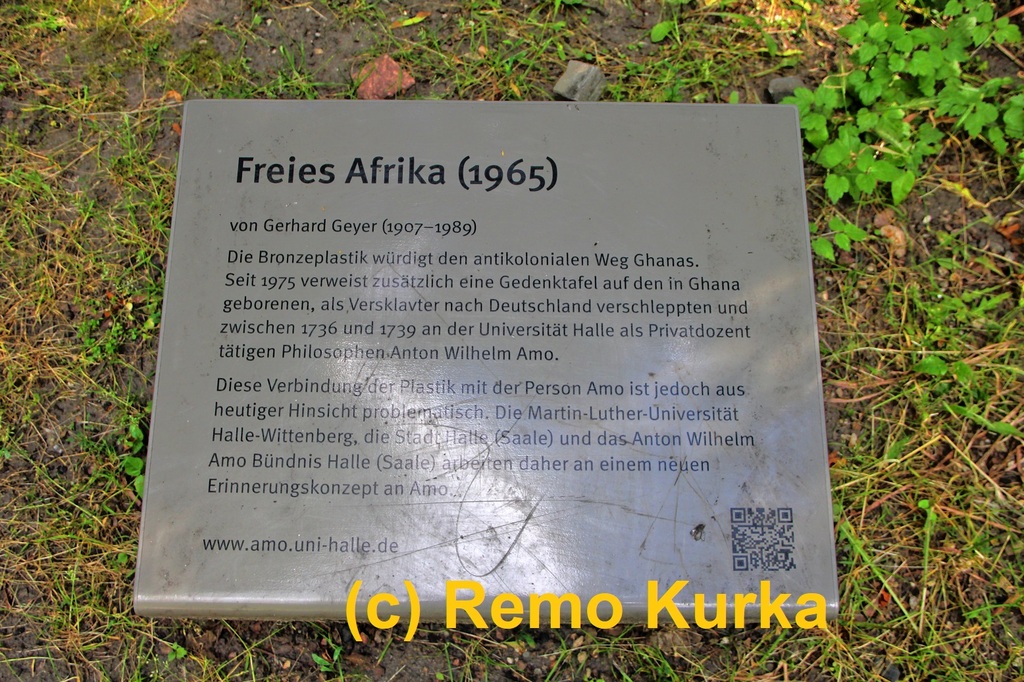
Recent interpretations, including those published on the official Anton Wilhelm Amo webpage of Martin Luther University Halle‑Wittenberg , contain:
contradictory claims about Amo’s death,
unproven assertions that he was enslaved,
modern reinterpretations of historical terms such as “Mohr”,
and projections of contemporary political frameworks onto 17th–18th‑century African lives.
These issues matter because they shape public understanding of African history in Europe.
This article therefore aims to:
restore historical accuracy,
distinguish evidence from assumption,
and highlight the intellectual agency of early African scholars such asFranciscus Africanus and Anton Wilhelm Amo.
It is written in the spirit of constructive correction, with respect for academic work, but with equal commitment to historical truth.
Their website:
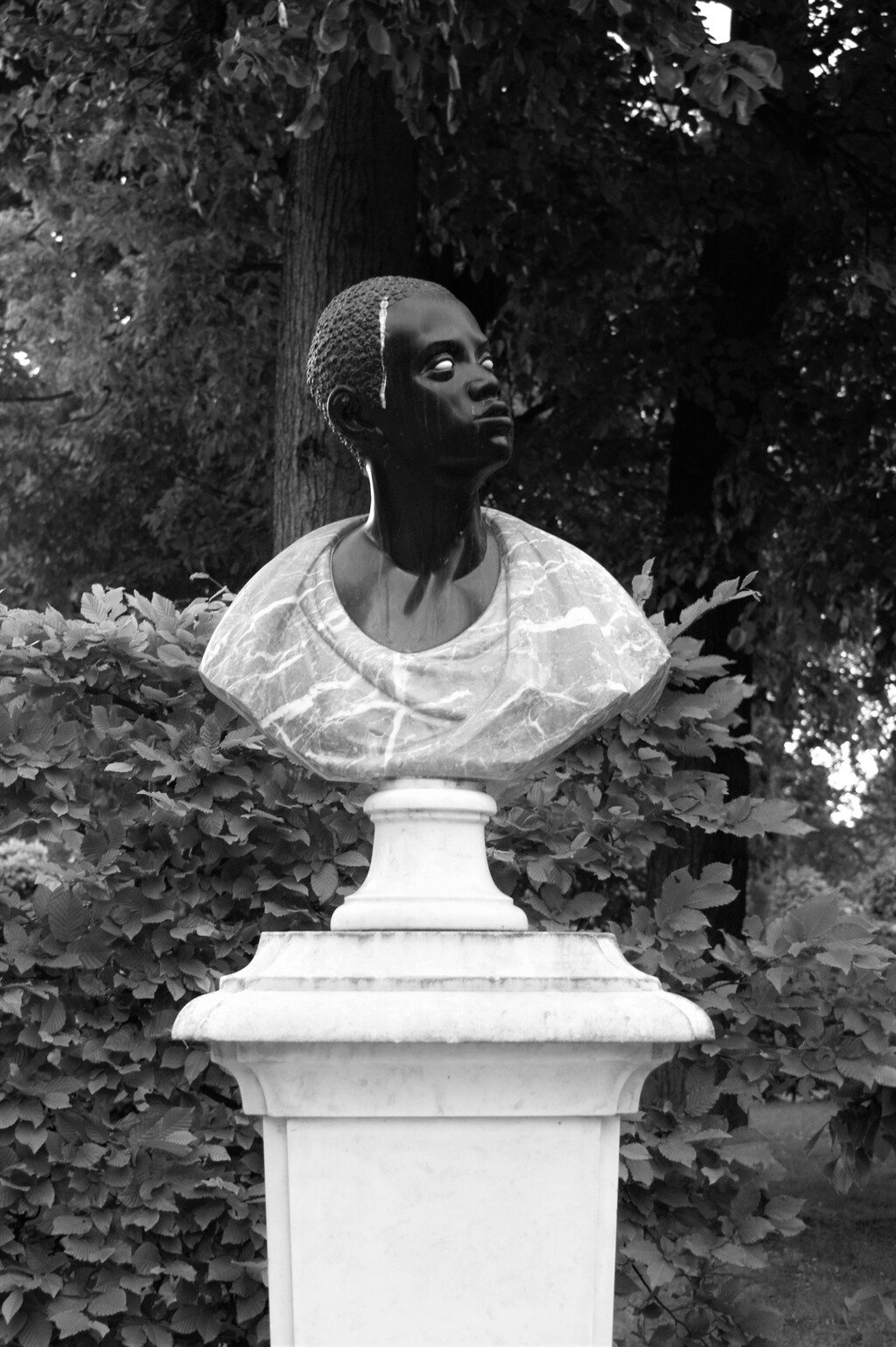
Moor heads of Sanssouci
The term "Mohr" (also "Moor" or "Blackamoor") was a historical term used in the 17th, 18th, 19th-century Germany to depict figures of African descent. Here at Sanssouci Park (c) photography by Remo Kurka
Introduction: Why This Article Matters
The history of Africans in Germany is older, richer, and more complex than modern narratives often suggest. Long before colonialism, long before the 19th‑century scramble for Africa, Africans lived, studied, worked, and participated in German society in ways that defy today’s simplified victim‑only framing.
Two figures stand out:
Franciscus Africanus (Francis of Guinea) — one of the earliest African scholars in Germany (late 1600s).
Anton Wilhelm Amo — the first African philosopher to teach at a European university (1703–c.1753).
Yet modern institutions — including the University of Halle’s Amo webpage — often present these men through a 21st‑century ideological lens, leading to:
historical inaccuracies,
contradictory claims,
misused terminology,
and projections of modern politics onto early modern African lives.
This article restores clarity by presenting what the evidence actually shows.
⭐ 1. Africans in Germany Before Colonialism: A Historical Overview
Africans appeared in German territories as early as the 15th century. They arrived through:
diplomatic exchanges,
trade networks,
missionary routes,
noble patronage,
and academic sponsorship.
They were:
musicians,
scholars,
court servants,
interpreters,
soldiers,
and occasionally diplomats.
They were not uniformly enslaved. Germany did not have plantation slavery, and its legal system did not treat Africans as chattel property.
Important fact:
Even during the colonial period, Africans in German colonies were officially referred to as “Landsleute” (compatriots), not as racial inferiors.
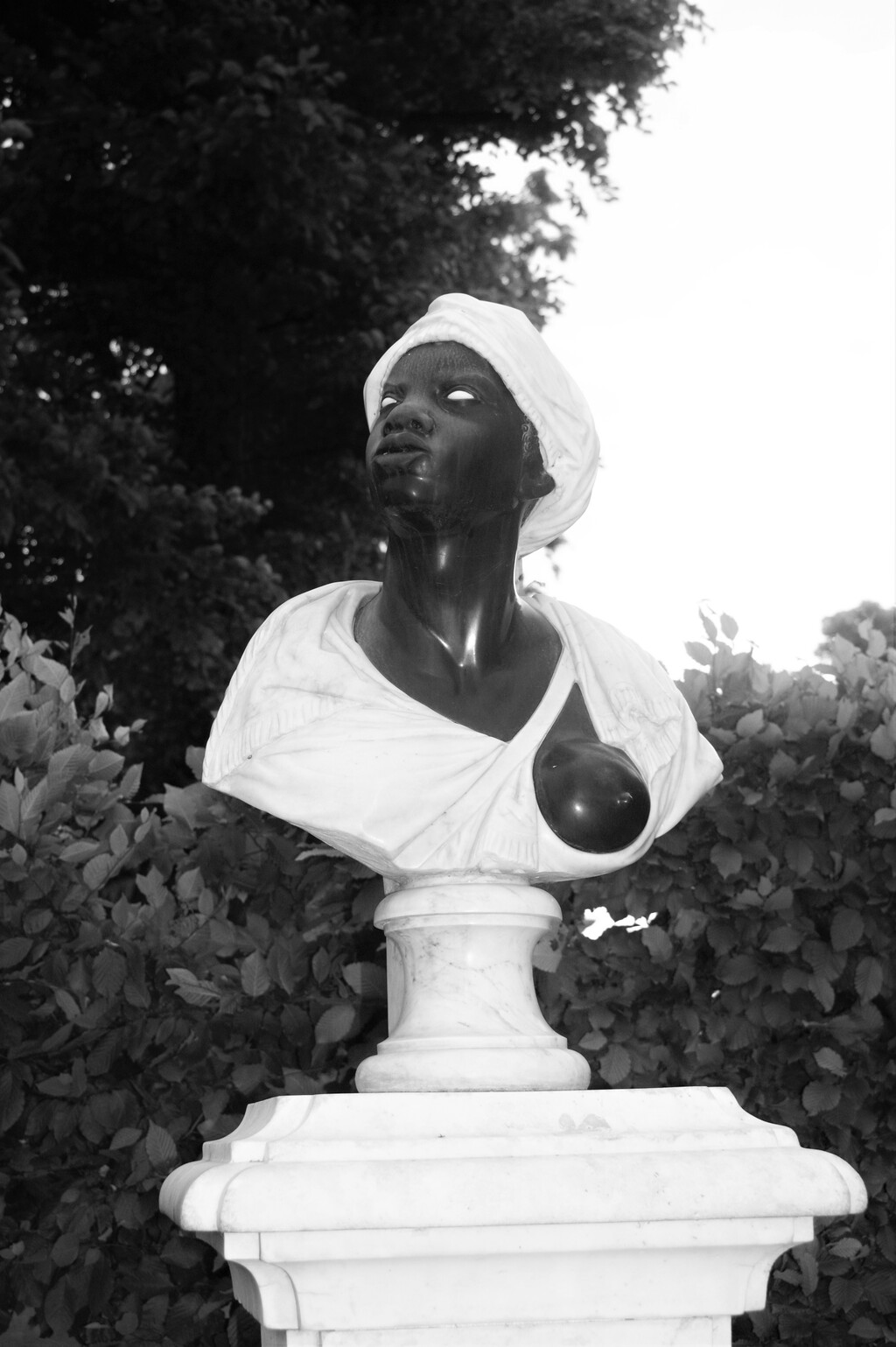
Here a woman: Moor heads of Sanssouci
The term "Mohr" (also "Moor" or "Blackamoor") was a historical term used in the 17th, 18th, 19th-century Germany to depict figures of African descent. Here at Sanssouci Park (c) photography by Remo Kurka
⭐ 2. The Term “Mohr” / “Moor”: What It Actually Meant
Modern reinterpretations claim the term “Mohr” was inherently racist.
This is linguistically incorrect.
In 17th–18th century German:
Mohr = Black person / African person
It was a descriptor, not a legal status
It did not automatically imply slavery
It was used for:
scholars,
diplomats,
merchants,
court servants,
and sometimes enslaved persons — but not exclusively.
African (Akan, Ghana) equivalents:
Obroni = white person
Bibini = Black person
These are descriptive, not derogatory.
The Halle webpage’s claim that “Mohr” is inherently “racialising” imposes modern American racial politics onto early modern German vocabulary, which is historically inaccurate.
⭐ **3. Franciscus Africanus (Francis of Guinea):
The First African Scholar in Germany**
Franciscus Africanus lived in Germany before 1700, decades before Amo. He studied:
theology,
classical languages,
and philosophy.
He appears in records connected to Wittenberg and Halle — the same academic environment that later shaped Amo.
Why he matters:
He was one of the earliest documented African intellectuals in Europe.
He demonstrated African academic capability long before colonialism.
He paved the way for Amo’s later acceptance.
His origins are listed as “Guinea”, a term that historically included:
modern Guinea,
Sierra Leone,
Liberia,
Côte d’Ivoire,
and the Gold Coast (Ghana).
Thus, Franciscus Africanus may well have been from the region of modern Ghana.
⭐ **4. Anton Wilhelm Amo:
Scholar, Philosopher, Not a Slave**
Modern retellings — including the Halle webpage — claim that Amo was “enslaved and transported to Germany.”
This is not supported by evidence.
What the archives show:
University records list him as “Studiosus,” “Magister,” “Philosophus.”
He lived in the household of the Duke of Brunswick-Wolfenbüttel, a position associated with noble patronage, not slavery.
Dutch shipping logs contain no record of him as enslaved.
His academic rise — doctorate, lectureships, publications — is incompatible with the status of an enslaved person.
Where the “slave narrative” comes from:
It appears only in 20th‑century secondary literature, often without citation, and is repeated today because it fits modern ideological narratives.
Conclusion:
Amo was not a slave. He was a court protégé, a scholar, and one of the most brilliant philosophers of the Enlightenment.
⭐ 5. The Halle Webpage: Contradictions and Ideological Framing
Your active tab shows several issues:
A. Contradictory death dates
The page states:
Amo lived “at least until 1753,”
but his gravestone says “1784.”
This is historically inconsistent. Most scholars agree he died between 1753 and 1759.
B. Misuse of the term “Mohr”
The page calls it “racialising,” ignoring its historical meaning.
C. Projecting modern gender politics onto African families
The page claims a woman in a sculpture is “marginalized,” ignoring the fact that Akan society was matrilineal and women held significant authority.
D. Removal of public comments on their videos
This prevents scholarly debate and shields their narrative from correction.
⭐ 6. Germany’s Racial History: A More Nuanced Reality
Contrary to modern assumptions:
Germany never banned marriages between Africans and Germans — not even under Nazi rule.
The U.S. and U.K. had far stricter anti‑miscegenation laws.
Africans in German colonies were officially called “Landsleute.”
This does not mean racism did not exist — but it does mean the Halle webpage oversimplifies history.
⭐ 7. Why This Matters for African Independence
The modern tendency to portray all Africans in Europe as victims:
erases early African intellectual achievements,
diminishes the agency of figures like Amo and Franciscus Africanus,
and distorts the historical record.
African independence is not only political — it is intellectual.
Amo and Franciscus Africanus prove that:
👉 African scholarship existed long before colonialism.
👉 African thinkers shaped European intellectual life.
👉 African agency did not begin in the 20th century — it is centuries old.
⭐ **Conclusion:
Restoring Historical Accuracy and African Agency**
This article is not about denying racism or minimizing suffering. It is about restoring truth.
The evidence shows:
Africans in Germany had diverse roles.
The term “Mohr” was descriptive, not inherently racist.
Franciscus Africanus was a pioneering scholar.
Anton Wilhelm Amo was not enslaved.
Modern narratives often distort early African history to fit contemporary politics.
AfricanIndependence.com exists to preserve African agency, African dignity, and African intellectual history — without ideological filters.
This static page will help set the record straight.